
Designing Guest Flow for Indoor-Outdoor Events
July 10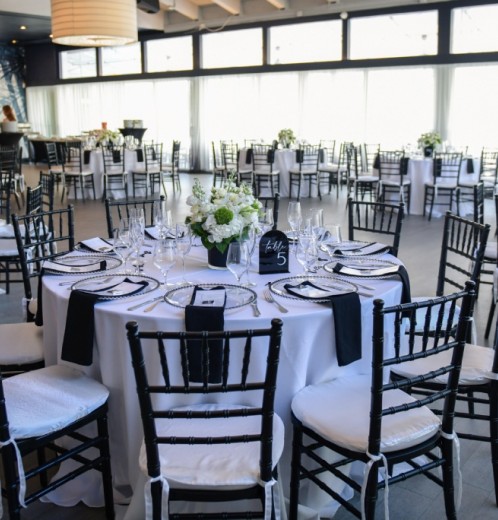
Guest flow at an indoor-outdoor event venue determines whether the night feels effortless or exhausting for everyone in the room.
Guest flow at an indoor-outdoor event venue determines whether the night feels effortless or exhausting for everyone in the room. When layout, catering placement, and lighting work together, guests circulate naturally across both spaces without ever needing directions. This article covers the practical decisions that make indoor-outdoor events feel seamless, from arrival through the final hour, at waterfront and private event venues.
Getting that flow right takes more than a good floor plan. A team that understands how guests actually behave during a private event, combined with deliberate placement of every element from the first cocktail station to the last seating area, is what transforms a beautiful venue into a night people genuinely remember.
How to Keep Events Moving Naturally Between Spaces
The layout of an indoor-outdoor event space controls how guests move without them ever realizing it. Spread food and beverage stations across both areas, keep pathways clear and well-lit, and position the first gathering point close to the entrance so arrivals feel settled quickly. Those three decisions alone do most of the work.
Experienced event planners think about arrival behavior the way architects think about doors: where do people naturally go first, and what draws them further in as the event builds? Food and beverage stations are the most reliable tools for encouraging movement. So is lighting. A warmly lit outdoor terrace visible from inside the main room pulls guests toward it without a single announcement.
A few intentional decisions shape the whole night:
- Place a welcoming reception area near the entrance so guests have a comfortable first gathering point on arrival
- Spread catering stations across indoor and outdoor spaces to encourage guests to explore rather than cluster
- Use warm lighting near outdoor access points to draw people outside without instruction
- Keep transition pathways open so movement between areas never feels cramped or confusing
- Create multiple conversation zones throughout the event venue so the energy stays distributed and alive
When these elements are handled well, the event space itself does the directing. Guests wander, discover, and settle naturally, which is exactly the relaxed energy a well-run private event should have.
Planning Transitions for Waterfront Indoor-Outdoor Venues
Waterfront event venues offer something most settings simply cannot: a natural outdoor focal point that changes how guests experience the space. At a catering venue on the Fort Lauderdale Intracoastal, the water itself becomes part of the event design, giving planners a built-in reason to structure the evening around a gradual reveal rather than a static floor plan.
Many planners at waterfront venues start guests indoors during arrival and the cocktail hour. The outdoor terrace stays visible but not yet fully activated. As the evening progresses and the light changes over the water, guests move outside for dinner or dancing and the setting has genuinely transformed. That sequencing keeps the energy building instead of peaking early.
Comfort during transitions is just as important as the view. Clear pathways, attentive service staff stationed near transition points, and solid event coordination keep the movement from feeling like a production. Guests who noticed none of the logistics usually just say the night felt easy, which is precisely the goal.
Indoor vs. Outdoor Space Design at a Waterfront Event Venue
| Design Element | Indoor Space | Outdoor / Waterfront Space |
|---|---|---|
| Lighting | Warm ambient lighting; encourages conversation and intimacy | String lights or lanterns near the terrace; makes the outdoor area visually magnetic after dark |
| Seating | Banquet or round tables for seated dinner; signals structure | Lounge groupings or cocktail-height tables; signals a social, open atmosphere |
| Catering setup | Plated service or buffet stations near the dining area | Passed bites and cocktail bars positioned to draw guests outside |
| Guest movement | Controlled flow through clear table arrangement | Open pathways to the water invite natural exploration |
| Atmosphere | Sheltered and climate-controlled; comfortable for all guests | Natural scenery, Intracoastal views, fresh air; creates the event's visual centerpiece |
Creating Comfort and Energy Across Multiple Event Areas
A well-executed indoor-outdoor event gives every area of the venue its own reason to exist. The indoor space tends to feel warm and structured, well-suited for seated dinner conversation. The outdoor area carries a more open, social energy that guests gravitate toward during cocktail hour or after the meal. That contrast isn't a problem to solve; it's the thing that makes multi-space events interesting.
Balancing comfort across both areas comes down to a handful of decisions that reinforce each other. Lighting sets the mood. Seating arrangement signals how a space is meant to be used. Accessible catering service in both areas means guests are never pulling away from a conversation just to find a drink. Put those things in the right order and guests move through the event on their own instincts, not because they were told to.
The event staff makes or breaks this balance as the night goes on. A professional team reads the room constantly, keeps each area tidy, and catches small problems before guests notice them. At corporate events and weddings alike, that level of attentiveness is what separates a beautiful venue from a truly memorable event experience. The space gets you started; the team carries it through.
Frequently Asked Questions
What does guest flow mean in the context of event planning?
Guest flow describes how attendees move through an event space from arrival to the end of the night. Good guest flow means people find what they need, enjoy different areas of the venue, and move between spaces without crowding or confusion. At a waterfront venue with both indoor and outdoor areas, planning that flow carefully is especially important because it's what makes the full environment feel connected rather than disjointed.
Why do so many couples and corporate planners choose indoor-outdoor venues for their events?
The flexibility is hard to replicate in a single-environment space. Guests get shelter and amenities indoors alongside fresh air and natural scenery outside. For waterfront event venues in particular, the outdoor setting adds a visual element that elevates everything around it. It's often what guests bring up when they're telling someone else about the night.
How do event planners encourage guests to move between indoor and outdoor areas?
Giving guests a reason to move works far better than directing them. A catering station or cocktail bar positioned outside, seating near the outdoor access points, and lighting that makes the terrace look genuinely inviting all pull people out naturally. Once each area of the event venue has something worth experiencing, guests circulate without any prompting from the team.
What makes a waterfront venue particularly well-suited for indoor-outdoor event design?
The view itself functions as an attraction. Guests are drawn outside because the water gives the outdoor area its own identity that no other backdrop quite matches. On the Fort Lauderdale Intracoastal, the water views add a sense of occasion to weddings and celebrations that guests carry with them long after the event ends. That's a quality of place that's genuinely difficult to manufacture.
What are the most important factors in keeping guests comfortable across multiple event areas?
Comfortable seating, clear pathways, accessible service, and appropriate lighting in every area cover most of it. Beyond the physical setup, attentive staff who monitor each space throughout the night make an outsized difference. When every corner of the venue feels equally well-tended, guests stay relaxed and engaged instead of drifting toward one spot and staying put.